Product Description
Why choose us ?
ELECTRIC MOTOR FEATURES
Electric motor frame from 56 – 355, output range from 0.17HP to 430HP
Motor mounting type B3 (IM 1001), B35 (IM 2001), B5 (IM 3001), B14 (IM 3601), B34 (IM 2101)
Optional voltage 110V, 120V, 220V, 240V, 220/380V, 230V/400V, 380V/660V, 50HZ or 60HZ
Protection type IP44, IP54, IP55 on request
Multiple mounting arrangement for optional
Aluminum frame, end shields and base
Strong cast iron frame
High strength cable
Shaft key and protector supplied
Superior paint finish
45# steel shaft and stainless steel shaft is optional
Electric motor continuous duty S1,S4
Electric motor have vacuum impregnation for insulation
Electric motor is class F insulation and class H insulation is optional
Electric motor has been make according to ISO9001, CE, UL, CCC, GS request
All of our products are make according to GOST, RoHS and IEC standard.
High performance and IE1, IE2, IE3 efficiency
OUR ELECRIC MOTOR FOR CUSTOMER BENEFITS
Electricity saving and quiet operation
Electric motor can withstand water, dust and vermin
Electric motor very easy installation
Electric motor dependable Corrosion resistant and long life to work
Reliability performance and very competitive price.
HOW TO MAKE MOTOR ON CHINAMFG COMPANY
1. Silicon steel DR510, 800, 600, 360 standard use stamping of lamination stator and rotor die-casting
2. 100% copper winding and inserting stator (manual and semi-automatically)
3. Stator Vacuum impregnation and drying
4. CNC machining motor shaft, frame, end shields, etc
5. Professional workman inspecting spare parts every processing
6. Electric motor assembly product line
7. Electric motor will 100% test before painting.
8. Electric motor spray-paint on motor painting product line
9. Electric motor will 100% check again before packing.
An electric motor from material to finish motor, must pass 15 time check, and 100% testing, output power, voltage, electric current, non-load, 50% load, 75% load, 100% load and check the nameplate, packing. Finally shipping to our customer.
Att:Our company price was based on high height cold rolled steel stator to promise the efficiency ,if you need to cheaper ,you can choose short height stator or hot cold rolled steel stator ,thankyou
Product details
YE3 PARAMETERS
SYNCHRONOUS OUTPUT SPEED=3000RPM FREQUENCY=50HZ VOLTAGE=380V
| MODEL |
POWER (KW) |
CURRENT (A) |
SPEED (RPM) |
EFF |
POWER FACTOR |
RATED TORQUE |
TST | IST | TMAX |
NOISE dB(A) |
| YE3-63M1-2 | 0.18kw | 0.53 | 2720 | 63.9 | 0.8 | 0.63 | 2.2 | 5.5 | 2.2 | 61 |
| YE3-63M2-2 | 0.25kw | 0.7 | 2720 | 97.1 | 0.81 | 0.88 | 2.2 | 5.5 | 2.2 | 61 |
| YE3-71M1-2 | 0.37kw | 1 | 2740 | 69 | 0.81 | 1.29 | 2.2 | 6.1 | 2.2 | 62 |
| YE3-71M2-2 | 0.55kw | 1.4 | 2740 | 72.3 | 0.82 | 1.92 | 2.2 | 6.1 | 2.2 | 62 |
| YE3-801-2 | 0.75kw | 1.8 | 2830 | 80.7 | 0.83 | 2.5 | 2.2 | 7 | 2.3 | 62 |
| YE3-802-2 | 1.1kw | 2.5 | 2840 | 82.7 | 0.83 | 3.65 | 2.2 | 7.3 | 2.3 | 62 |
| YE3-90S-2 | 1.5kw | 3.4 | 2840 | 84.2 | 0.84 | 4.97 | 2.2 | 7.6 | 2.3 | 67 |
| YE3-90L-2 | 2.2kw | 4.8 | 2840 | 85.9 | 0.85 | 7.3 | 2.2 | 7.6 | 2.3 | 67 |
| YE3-100L-2 | 3kw | 6.3 | 2870 | 87.1 | 0.87 | 9.95 | 2.2 | 7.8 | 2.3 | 74 |
| YE3-112M-2 | 4kw | 8.2 | 2890 | 88.1 | 0.88 | 13.1 | 2.2 | 8.3 | 2.3 | 77 |
| YE3-132S1-2 | 5.5kw | 11.1 | 2900 | 89.2 | 0.88 | 17.9 | 2 | 8.3 | 2.3 | 79 |
| YE3-132S2-2 | 7.5kw | 15 | 2900 | 90.1 | 0.89 | 24.4 | 2 | 7.9 | 2.3 | 79 |
| YE3-160M1-2 | 11kw | 21.3 | 2930 | 912 | 0.89 | 35.6 | 2 | 8.1 | 2.3 | 81 |
| YE3-160M2-2 | 15kw | 28.7 | 2930 | 91.9 | 0.89 | 48.6 | 2 | 8.1 | 2.3 | 81 |
| YE3-160L-2 | 18.5kw | 34.7 | 2930 | 92.4 | 0.89 | 60 | 2 | 8.2 | 2.3 | 81 |
| YE3–180M-2 | 22kw | 41.2 | 2940 | 92.7 | 0.89 | 71.2 | 2 | 8.2 | 2.3 | 83 |
| YE3-200-L1-2 | 30kw | 55.3 | 2950 | 93.3 | 0.89 | 96.6 | 2 | 7.6 | 2.3 | 84 |
| YE3-200L2-2 | 37kw | 67.9 | 2950 | 93.7 | 0.89 | 119 | 2 | 7.6 | 2.3 | 84 |
| YE3-225M-2 | 45kw | 82.1 | 2970 | 94 | 0.89 | 145 | 2 | 7.7 | 2.3 | 86 |
| YE3-250M-2 | 55kw | 100.1 | 2970 | 94.3 | 0.89 | 177 | 2 | 7.7 | 2.3 | 89 |
| YE3-280S-2 | 75kw | 134 | 2970 | 94.7 | 0.89 | 241 | 1.8 | 7.1 | 2.3 | 91 |
| YE3-280M-2 | 90kw | 160.2 | 2970 | 95 | 0.89 | 289 | 1.8 | 7.1 | 2.3 | 91 |
SYNCHRONOUS OUTPUT SPEED=1500RPM FREQUENCY=50HZ VOLTAGE=380V
| MODEL |
POWER (KW) |
CURRENT (A) |
SPEED (RPM) |
EFF |
POWER FACTOR |
RATED TORQUE |
TST | IST | TMAX |
NOISE dB(A) |
| YE3-63M1-4 | 0.12kw | 0.45 | 1310rpm | 55.8 | 0.72 | 0.87 | 2.1 | 4.4 | 2.2 | 52 |
| YE3-63M2-4 | 0.18kw | 0.64 | 1310rpm | 58.6 | 0.73 | 1.31 | 2.1 | 4.4 | 2.2 | 52 |
| YE3-71M1-4 | 0.25kw | 0.81 | 1330rpm | 63.6 | 0.74 | 1.8 | 2.1 | 5.2 | 2.2 | 55 |
| YE3-71M2-4 | 0.37kw | 1.1 | 1330rpm | 65.3 | 0.75 | 2.66 | 2.1 | 5.2 | 2.2 | 55 |
| YE3-801-4 | 0.55kw | 1.4 | 1390rpm | 80.6 | 0.75 | 3.67 | 2.3 | 6.5 | 2.3 | 56 |
| YE3-8002-4 | 0.75kw | 1.9 | 1390rpm | 82.5 | 0.75 | 5.01 | 2.3 | 6.6 | 2.3 | 56 |
| YE3-90S-4 | 1.1kw | 2.7 | 1400rpm | 84.1 | 0.76 | 7.35 | 2.3 | 6.8 | 2.3 | 59 |
| YE3-90L-4 | 1.5kw | 3.6 | 1400rpm | 85.3 | 0.77 | 10 | 2.3 | 7 | 2.3 | 59 |
| YE3-100L1-4 | 2.2kw | 4.8 | 1430rpm | 86.7 | 0.81 | 14.6 | 2.3 | 7.6 | 2.3 | 64 |
| YE3-100L2-4 | 3kw | 6.6 | 1430rpm | 87.7 | 0.82 | 19.9 | 2.3 | 7.6 | 2.3 | 64 |
| YE3-112M-4 | 4kw | 8.6 | 1440rpm | 88.6 | 0.82 | 26.3 | 2.2 | 7.8 | 2.3 | 65 |
| YE3-132S-4 | 5.5kw | 11.6 | 1440rpm | 89.6 | 0.83 | 35.9 | 2 | 7.9 | 2.3 | 71 |
| YE3-132M-4 | 7.5kw | 14.6 | 1440rpm | 90.4 | 0.84 | 48.9 | 2 | 7.5 | 2.3 | 71 |
| YE3-160M-4 | 11kw | 22.6 | 1460rpm | 91.4 | 0.85 | 71.5 | 2 | 7.7 | 2.3 | 73 |
| YE3-160L-4 | 15kw | 29.3 | 1460rpm | 92.1 | 0.86 | 97.4 | 2 | 7.8 | 2.3 | 73 |
| YE3-180M-4 | 18.5kw | 35.45 | 1470rpm | 92.6 | 0.86 | 120 | 2 | 7.8 | 2.3 | 76 |
| YE3-180L-4 | 22kw | 42.35 | 1470rpm | 93 | 0.86 | 143 | 2 | 7.8 | 2.3 | 76 |
| YE3-200L-4 | 30kw | 57.6 | 1475rpm | 93.6 | 0.86 | 194 | 2 | 7.3 | 2.3 | 76 |
| YE3-225S-4 | 37kw | 69.8 | 1480rpm | 93.9 | 0.86 | 239 | 2 | 7.4 | 2.3 | 78 |
| YE3-225M-4 | 45kw | 84.5 | 1480rpm | 94.2 | 0.86 | 290 | 2 | 7.4 | 2.3 | 78 |
| YE3-250M-4 | 55kw | 103.1 | 1485rpm | 94.6 | 0.86 | 354 | 2 | 7.4 | 2.3 | 79 |
| YE3-280S-4 | 75kw | 139.7 | 1490rpm | 95 | 0.88 | 481 | 2 | 6.7 | 2.3 | 80 |
| YE3-280M-4 | 90kw | 166.9 | 1485rpm | 95.2 | 0.88 | 577 | 2 | 6.9 | 2.3 | 80 |
SYNCHRONOUS OUTPUT SPEED=1000RPM FREQUENCY=50HZ VOLTAGE=380V
| MODEL |
POWER (KW) |
CURRENT (A) |
SPEED (RPM) |
EFF |
POWER FACTOR |
RATED TORQUE |
TST | IST | TMAX |
NOISE dB(A) |
| YE3-71M1-6 | 0.18kw | 0.76 | 850rpm | 54.6 | 0.66 | 2.02 | 1.9 | 4 | 2 | 52 |
| YE3-71M2-6 | 0.25kw | 0.97 | 850rpm | 57.4 | 0.68 | 2.81 | 1.9 | 4 | 2 | 52 |
| YE3-80M1-6 | 0.37kw | 1.2 | 890rpm | 68 | 0.7 | 3.88 | 1.9 | 5.5 | 2.1 | 54 |
| YE3-80M2-6 | 0.55kw | 1.7 | 890rpm | 72 | 0.71 | 5.68 | 1.9 | 5.8 | 2.1 | 54 |
| YE3-90S-6 | 0.75kw | 2.2 | 910rpm | 78.9 | 0.71 | 7.58 | 2 | 6 | 2.1 | 57 |
| YE3-90L-6 | 1.1kw | 3.8 | 910rpm | 81 | 0.73 | 11.1 | 2 | 6 | 2.1 | 57 |
| YE3-100L-6 | 1.5kw | 3.8 | 940rpm | 82.5 | 0.73 | 15.1 | 2 | 6.5 | 2.1 | 61 |
| YE3-112M-6 | 2.2kw | 5.4 | 940rpm | 84.3 | 0.74 | 21.8 | 2 | 6.6 | 2.1 | 65 |
| YE3-132S-6 | 3kw | 7.4 | 960rpm | 85.6 | 0.74 | 29.4 | 1.9 | 6.8 | 2.1 | 69 |
| YE3-132M1-6 | 4kw | 9.6 | 960rpm | 86.8 | 0.74 | 39.2 | 1.9 | 6.8 | 2.1 | 69 |
| YE3-132M2-6 | 5.5kw | 12.9 | 960rpm | 88 | 0.75 | 53.9 | 2 | 7 | 2.1 | 69 |
| YE3-160M-6 | 7.5kw | 17 | 970rpm | 89.1 | 0.79 | 73.1 | 2.1 | 7 | 2.1 | 70 |
| YE3-160L-6 | 11kw | 24.2 | 970rpm | 90.3 | 0.8 | 107 | 2.1 | 7.2 | 2.1 | 70 |
| YE3-180L-6 | 15kw | 31.6 | 970rpm | 91.2 | 0.81 | 146 | 2 | 7.3 | 2.1 | 73 |
| YE3-200L1-6 | 18.5kw | 38.1 | 970rpm | 91.7 | 0.81 | 179 | 2.1 | 7.3 | 2.1 | 73 |
| YE3-200L2-6 | 22kw | 44.5 | 970rpm | 92.2 | 0.81 | 213 | 2.1 | 7.4 | 2.1 | 73 |
| YE3-225M-6 | 30kw | 58.6 | 980rpm | 92.9 | 0.83 | 291 | 2 | 6.9 | 2.1 | 74 |
| YE3-250M-6 | 37kw | 71 | 980rpm | 93.3 | 0.84 | 359 | 2.1 | 7.1 | 2.1 | 76 |
| YE3-280S-6 | 45kw | 85.9 | 980rpm | 93.7 | 0.85 | 434 | 2.1 | 7.3 | 2.1 | 78 |
| YE3-280M-6 | 55kw | 104.7 | 980rpm | 94.1 | 0.86 | 531 | 2.1 | 7.3 | 2.1 | 78 |
SYNCHRONOUS OUTPUT SPEED=750RPM FREQUENCY=50HZ VOLTAGE=380V
| MODEL |
POWER (KW) |
CURRENT (A) |
SPEED (RPM) |
EFF |
POWER FACTOR |
RATED TORQUE |
TST | IST | TMAX |
NOISE dB(A) |
| YE3-801-8 | 0.18kw | 0.81 | 630rpm | 56 | 0.61 | 2.5 | 1.8 | 3.3 | 1.9 | 52 |
| YE3-802-8 | 0.25kw | 1.1 | 640rpm | 59 | 0.61 | 3.4 | 1.8 | 3.3 | 1.9 | 52 |
| YE3-90S-8 | 0.37kw | 1.4 | 660rpm | 66 | 0.61 | 5.1 | 1.8 | 4 | 1.9 | 56 |
| YE3-90L-8 | 0.55kw | 2.1 | 660rpm | 70 | 0.61 | 7.6 | 1.8 | 4 | 2 | 56 |
| YE3-100L1-8 | 0.75kw | 2.4 | 690rpm | 73.5 | 0.67 | 10.2 | 1.8 | 4 | 2 | 59 |
| YE3-100L2-8 | 1.1kw | 3.4 | 690rpm | 76.5 | 0.69 | 14.9 | 1.8 | 5 | 2 | 59 |
| YE3-112M-8 | 1.5kw | 4.4 | 680rpm | 77.5 | 0.7 | 20 | 1.8 | 5 | 2 | 61 |
| YE3-132S-8 | 2.2kw | 6 | 710rpm | 80 | 0.71 | 28.8 | 1.8 | 6 | 2 | 64 |
| YE3-132M-8 | 3kw | 7.9 | 710rpm | 82.5 | 0.73 | 39.2 | 1.8 | 6 | 2 | 64 |
| YE3-160M1-8 | 4kw | 10.2 | 720rpm | 85 | 0.73 | 52.7 | 1.9 | 6 | 2 | 68 |
| YE3-160M2-8 | 5.5kw | 13.6 | 720rpm | 86 | 0.74 | 82.4 | 1.9 | 6 | 2 | 68 |
| YE3-160L-8 | 7.5kw | 17.8 | 720rpm | 87.5 | 0.75 | 98.1 | 1.9 | 6 | 2 | 68 |
| YE3-180L-8 | 11kw | 25.2 | 730rpm | 89 | 0.75 | 145 | 2 | 6.5 | 2 | 70 |
| YE3-200L-8 | 15kw | 34 | 730rpm | 90.4 | 0.76 | 196 | 2 | 6.6 | 2 | 73 |
| YE3-225S-8 | 18.5kw | 40.5 | 740rpm | 91.2 | 0.76 | 240 | 1.9 | 6.6 | 2 | 73 |
| YE3-225M-8 | 22kw | 47.3 | 740rpm | 91.5 | 0.78 | 286 | 1.9 | 6.6 | 2 | 73 |
| YE3-250M-8 | 30kw | 63.4 | 740rpm | 92.2 | 0.79 | 390 | 1.9 | 6.5 | 2 | 75 |
| YE3-280S-8 | 37kw | 76.8 | 740rpm | 93 | 0.79 | 478 | 1.9 | 6.6 | 2 |
FAQ
Q1: What about the shipping methods?
1): For urgent order and light weight, you can choose the following express: UPS, FedEx, TNT, DHL, EMS.
For heavy weight, you can choose to deliver the goods by air or by sea to save cost.
Q2: What about the payment methods?
A2: We accept T/T, L/C for big amount, and for small amount, you can pay us by PayPal, Western Union etc.
Q3: How much does it cost to ship to my country?
A3: It depends on seasons. Fee is different in different seasons. You can consult us at all times.
Q4: What’s your delivery time?
A4: Usually we produce within 25-30days after the payment came.
Q5: Can I print our logo/code/series number on your motor?
A5: Yes, of course.
Q6: Can I order some sample for our testing?
A6: Yes, but it needs some expenses.
Q7: Can you customize my product in special requirement?
A7: Yes, we can offer OEM.
/* March 10, 2571 17:59:20 */!function(){function s(e,r){var a,o={};try{e&&e.split(“,”).forEach(function(e,t){e&&(a=e.match(/(.*?):(.*)$/))&&1
| Application: | Industrial |
|---|---|
| Speed: | Constant Speed |
| Number of Stator: | Three-Phase |
| Function: | Driving |
| Casing Protection: | Closed Type |
| Starting Mode: | Direct on-line Starting |
| Customization: |
Available
|
|
|---|
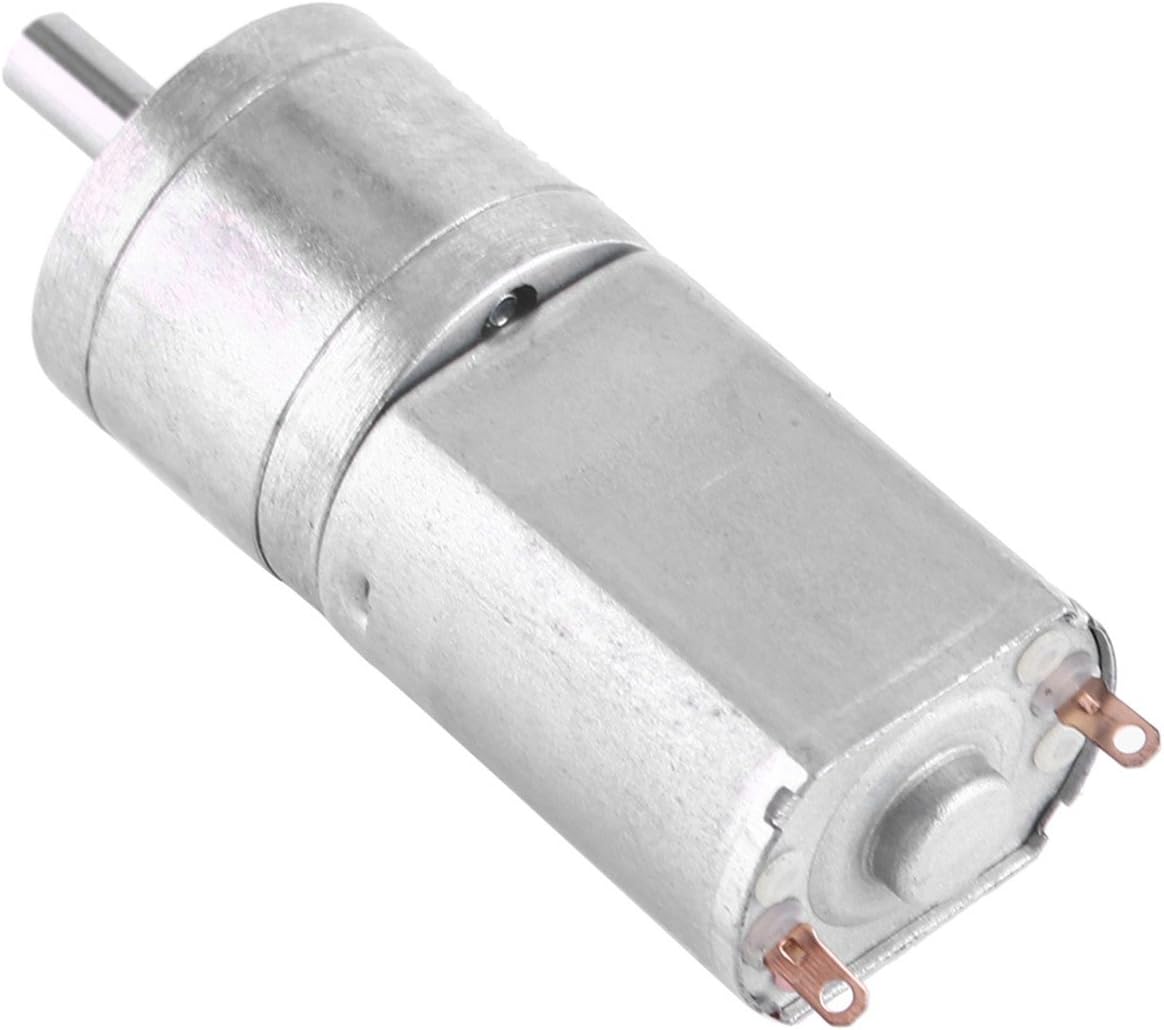
What types of feedback mechanisms are commonly integrated into gear motors for control?
Gear motors often incorporate feedback mechanisms to provide control and improve their performance. These feedback mechanisms enable the motor to monitor and adjust its operation based on various parameters. Here are some commonly integrated feedback mechanisms in gear motors:
1. Encoder Feedback:
An encoder is a device that provides position and speed feedback by converting the motor’s mechanical motion into electrical signals. Encoders commonly used in gear motors include:
- Incremental Encoders: These encoders provide information about the motor’s shaft position and speed relative to a reference point. They generate pulses as the motor rotates, allowing precise measurement of position and speed changes.
- Absolute Encoders: Absolute encoders provide the precise position of the motor’s shaft within a full revolution. They do not require a reference point and provide accurate feedback even after power loss or motor restart.
2. Hall Effect Sensors:
Hall effect sensors use the principle of the Hall effect to detect the presence and strength of a magnetic field. They are commonly used in gear motors for speed and position sensing. Hall effect sensors provide feedback by detecting changes in the motor’s magnetic field and converting them into electrical signals.
3. Current Sensors:
Current sensors monitor the electrical current flowing through the motor’s windings. By measuring the current, these sensors provide feedback regarding the motor’s torque, load conditions, and power consumption. Current sensors are essential for motor control strategies such as current limiting, overcurrent protection, and closed-loop control.
4. Temperature Sensors:
Temperature sensors are integrated into gear motors to monitor the motor’s temperature. They provide feedback on the motor’s thermal conditions, allowing the control system to adjust the motor’s operation to prevent overheating. Temperature sensors are crucial for ensuring the motor’s reliability and preventing damage due to excessive heat.
5. Hall Effect Limit Switches:
Hall effect limit switches are used to detect the presence or absence of a magnetic field within a specific range. They are commonly employed as end-of-travel or limit switches in gear motors. Hall effect limit switches provide feedback to the control system, indicating when the motor has reached a specific position or when it has moved beyond the allowed range.
6. Resolver Feedback:
A resolver is an electromagnetic device used to determine the position and speed of a rotating shaft. It provides feedback by generating sine and cosine signals that correspond to the shaft’s angular position. Resolver feedback is commonly used in high-performance gear motors requiring accurate position and speed control.
These feedback mechanisms, when integrated into gear motors, enable precise control, monitoring, and adjustment of various motor parameters. By utilizing feedback signals from encoders, Hall effect sensors, current sensors, temperature sensors, limit switches, or resolvers, the control system can optimize the motor’s performance, ensure accurate positioning, maintain speed control, and protect the motor from excessive loads or overheating.
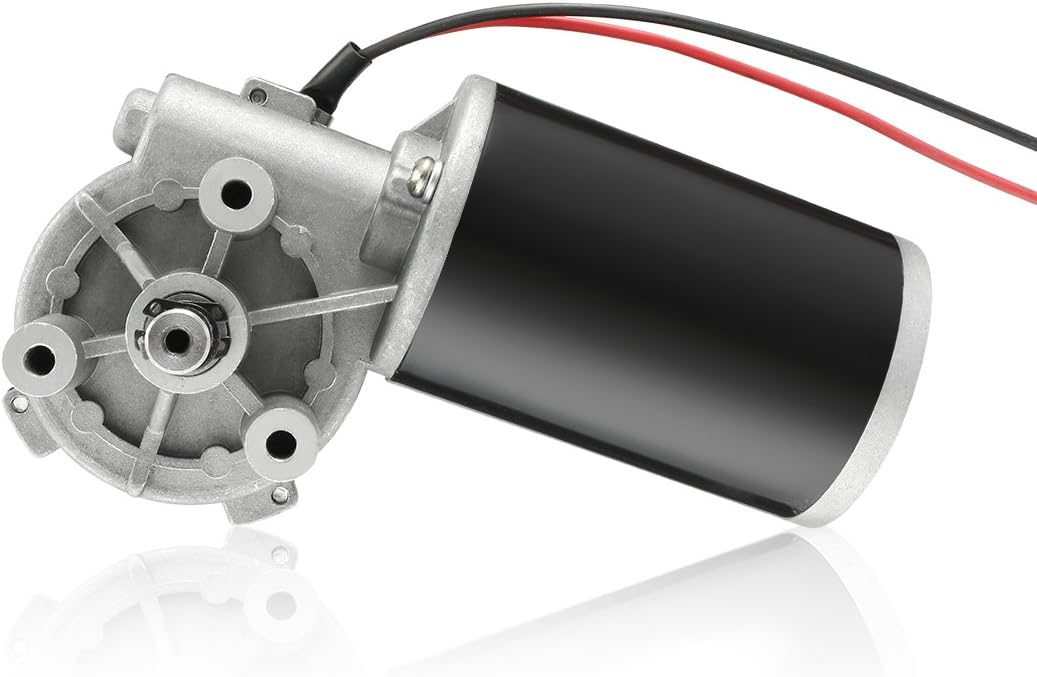
How do gear motors compare to other types of motors in terms of power and efficiency?
Gear motors can be compared to other types of motors in terms of power output and efficiency. The choice of motor type depends on the specific application requirements, including the desired power level, efficiency, speed range, torque characteristics, and control capabilities. Here’s a detailed explanation of how gear motors compare to other types of motors in terms of power and efficiency:
1. Gear Motors:
Gear motors combine a motor with a gear mechanism to deliver increased torque output and improved control. The gear reduction enables gear motors to provide higher torque while reducing the output speed. This makes gear motors suitable for applications that require high torque, precise positioning, and controlled movements. However, the gear reduction process introduces mechanical losses, which can slightly reduce the overall efficiency of the system compared to direct-drive motors. The efficiency of gear motors can vary depending on factors such as gear quality, lubrication, and maintenance.
2. Direct-Drive Motors:
Direct-drive motors, also known as gearless or integrated motors, do not use a gear mechanism. They provide a direct connection between the motor and the load, eliminating the need for gear reduction. Direct-drive motors offer advantages such as high efficiency, low maintenance, and compact design. Since there are no gears involved, direct-drive motors experience fewer mechanical losses and can achieve higher overall efficiency compared to gear motors. However, direct-drive motors may have limitations in terms of torque output and speed range, and they may require more complex control systems to achieve precise positioning.
3. Stepper Motors:
Stepper motors are a type of gear motor that excels in precise positioning applications. They operate by converting electrical pulses into incremental steps of movement. Stepper motors offer excellent positional accuracy and control. They are capable of precise positioning and can hold a position without power. Stepper motors have relatively high torque at low speeds, making them suitable for applications that require precise control and positioning, such as robotics, 3D printers, and CNC machines. However, stepper motors may have lower overall efficiency compared to direct-drive motors due to the additional power required to overcome the detents between steps.
4. Servo Motors:
Servo motors are another type of gear motor known for their high torque, high speed, and excellent positional accuracy. Servo motors combine a motor, a feedback device (such as an encoder), and a closed-loop control system. They offer precise control over position, speed, and torque. Servo motors are widely used in applications that require accurate and responsive positioning, such as industrial automation, robotics, and camera pan-tilt systems. Servo motors can achieve high efficiency when properly optimized and controlled but may have slightly lower efficiency compared to direct-drive motors due to the additional complexity of the control system.
5. Efficiency Considerations:
When comparing power and efficiency among different motor types, it’s important to consider the specific requirements and operating conditions of the application. Factors such as load characteristics, speed range, duty cycle, and control requirements influence the overall efficiency of the motor system. While direct-drive motors generally offer higher efficiency due to the absence of mechanical losses from gears, gear motors can deliver higher torque output and enhanced control capabilities. The efficiency of gear motors can be optimized through proper gear selection, lubrication, and maintenance practices.
In summary, gear motors offer increased torque and improved control compared to direct-drive motors. However, gear reduction introduces mechanical losses that can slightly impact the overall efficiency of the system. Direct-drive motors, on the other hand, provide high efficiency and compact design but may have limitations in terms of torque and speed range. Stepper motors and servo motors, both types of gear motors, excel in precise positioning applications but may have slightly lower efficiency compared to direct-drive motors. The selection of the most suitable motor type depends on the specific requirements of the application, balancing power, efficiency, speed range, and control capabilities.
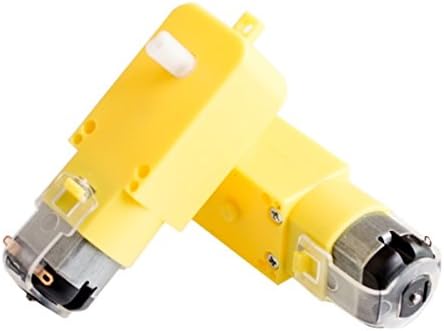
In which industries are gear motors commonly used, and what are their primary applications?
Gear motors find widespread use in various industries due to their versatility, reliability, and ability to provide controlled mechanical power. They are employed in a wide range of applications that require precise power transmission and speed control. Here’s a detailed explanation of the industries where gear motors are commonly used and their primary applications:
1. Robotics and Automation:
Gear motors play a crucial role in robotics and automation industries. They are used in robotic arms, conveyor systems, automated assembly lines, and other robotic applications. Gear motors provide the required torque, speed control, and directional control necessary for the precise movements and operations of robots. They enable accurate positioning, gripping, and manipulation tasks in industrial and commercial automation settings.
2. Automotive Industry:
The automotive industry extensively utilizes gear motors in various applications. They are used in power windows, windshield wipers, HVAC systems, seat adjustment mechanisms, and many other automotive components. Gear motors provide the necessary torque and speed control for these systems, enabling smooth and efficient operation. Additionally, gear motors are also utilized in electric and hybrid vehicles for powertrain applications.
3. Manufacturing and Machinery:
Gear motors find wide application in the manufacturing and machinery sector. They are used in conveyor belts, packaging equipment, material handling systems, industrial mixers, and other machinery. Gear motors provide reliable power transmission, precise speed control, and torque amplification, ensuring efficient and synchronized operation of various manufacturing processes and machinery.
4. HVAC and Building Systems:
In heating, ventilation, and air conditioning (HVAC) systems, gear motors are commonly used in damper actuators, control valves, and fan systems. They enable precise control of airflow, temperature, and pressure, contributing to energy efficiency and comfort in buildings. Gear motors also find applications in automatic doors, blinds, and gate systems, providing reliable and controlled movement.
5. Marine and Offshore Industry:
Gear motors are extensively used in the marine and offshore industry, particularly in propulsion systems, winches, and cranes. They provide the required torque and speed control for various marine operations, including steering, anchor handling, cargo handling, and positioning equipment. Gear motors in marine applications are designed to withstand harsh environments and provide reliable performance under demanding conditions.
6. Renewable Energy Systems:
The renewable energy sector, including wind turbines and solar tracking systems, relies on gear motors for efficient power generation. Gear motors are used to adjust the rotor angle and position in wind turbines, optimizing their performance in different wind conditions. In solar tracking systems, gear motors enable the precise movement and alignment of solar panels to maximize sunlight capture and energy production.
7. Medical and Healthcare:
Gear motors have applications in the medical and healthcare industry, including in medical equipment, laboratory devices, and patient care systems. They are used in devices such as infusion pumps, ventilators, surgical robots, and diagnostic equipment. Gear motors provide precise control and smooth operation, ensuring accurate dosing, controlled movements, and reliable functionality in critical medical applications.
These are just a few examples of the industries where gear motors are commonly used. Their versatility and ability to provide controlled mechanical power make them indispensable in numerous applications requiring torque amplification, speed control, directional control, and load distribution. The reliable and efficient power transmission offered by gear motors contributes to the smooth and precise operation of machinery and systems in various industries.


editor by CX 2024-02-22