Product Platform
Industrial Motor Families
Buyer-ready motor series with technical parameters, applications and the paired transmission components needed to turn motor torque into machine motion.
Select By Duty
Choose a general-purpose motor for stable industrial duty, EP-YVF2 for controlled speed, EP-Y2EJ for stopping and holding, EP-YD for discrete speeds, EP-YS for compact power, EP-YB2 for appropriately classified hazardous-area projects, or reducer-dedicated construction when the mechanical interface is part of the package.
EP-Y2 Three-Phase Asynchronous Motors
General-purpose ip54 three-phase asynchronous motors for continuous industrial duty.
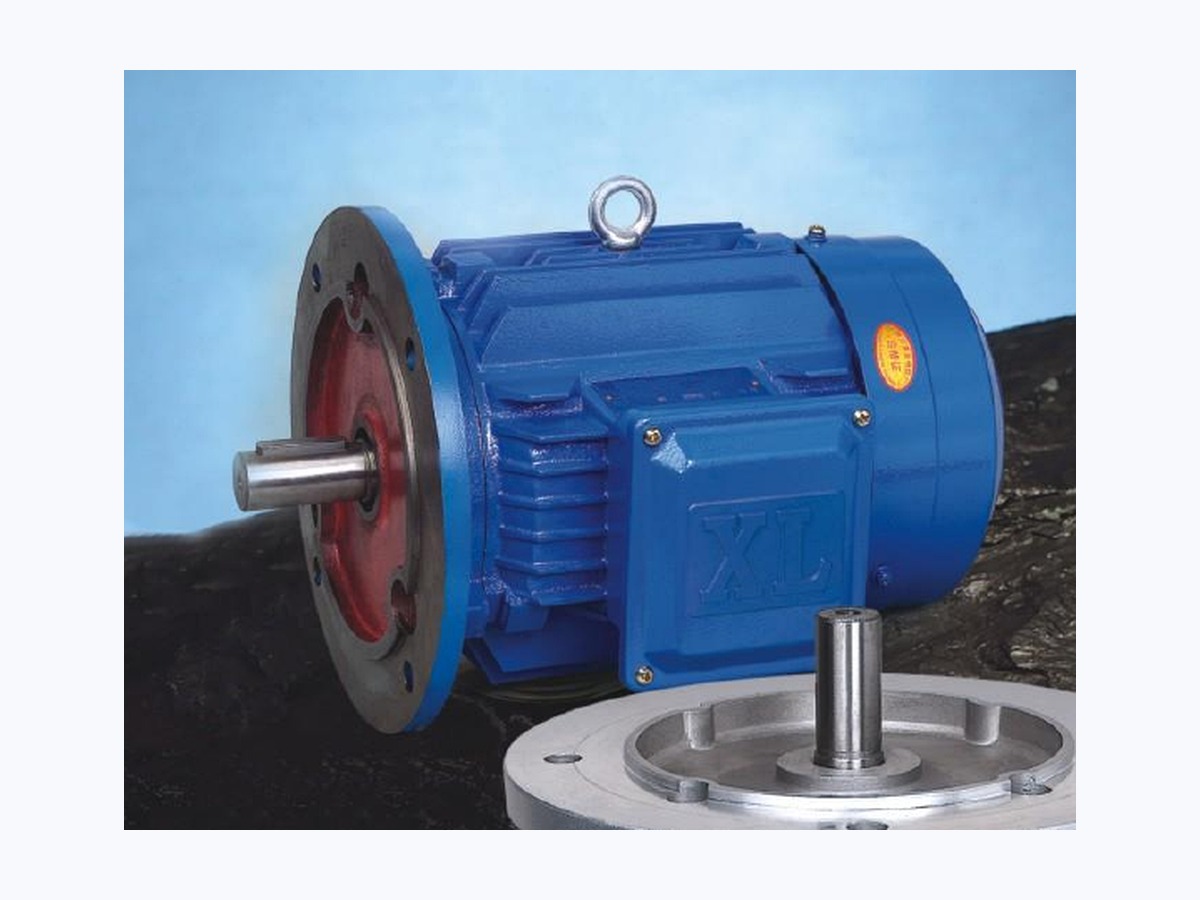
EP-YD Multi-Speed Motors
Pole-changing multi-speed three-phase asynchronous motors using stator-winding connection changes for discrete speeds.
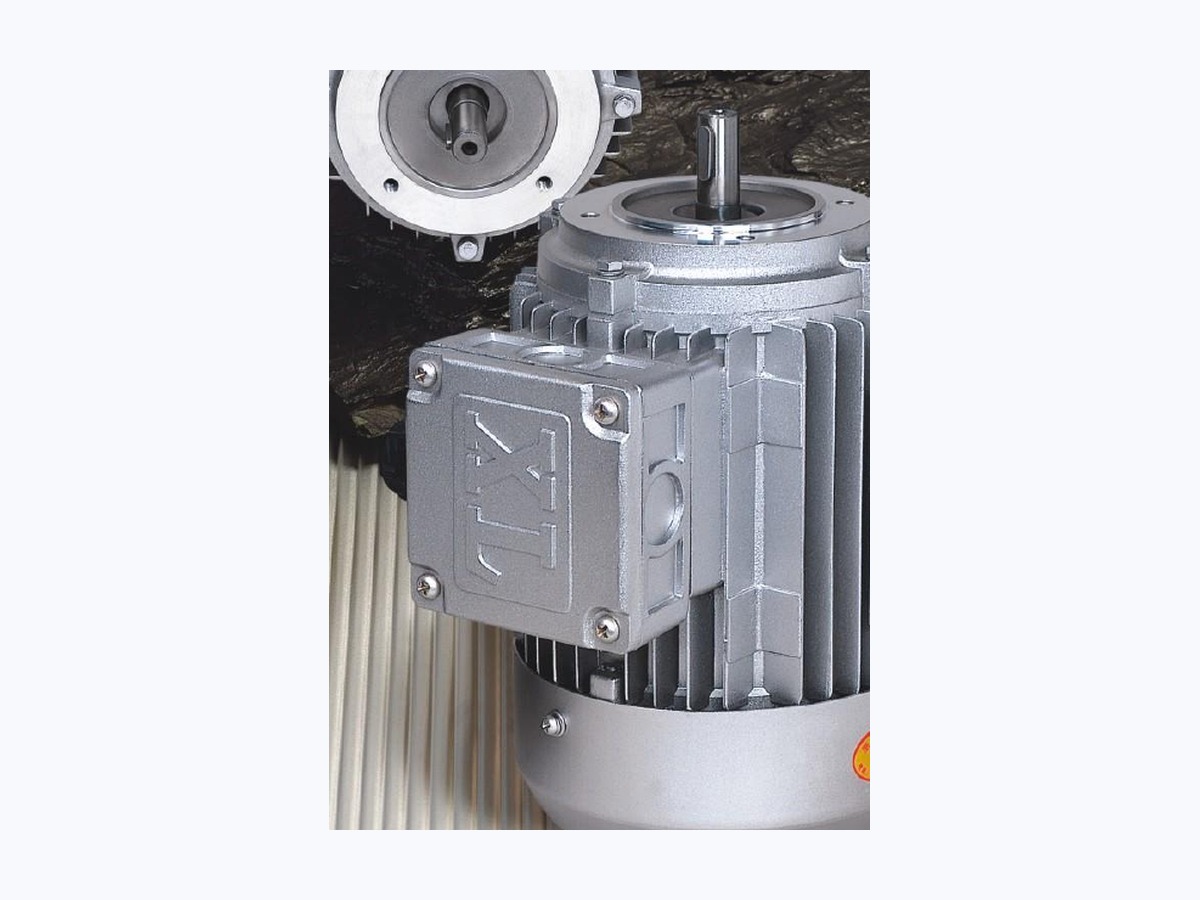
EP-YS Small-Power Motors
Compact ip54 small-power three-phase asynchronous motors for light machinery.
EP-YVF2 Variable-Frequency Motors
Ip54 variable-frequency three-phase asynchronous motors with independent ventilation.
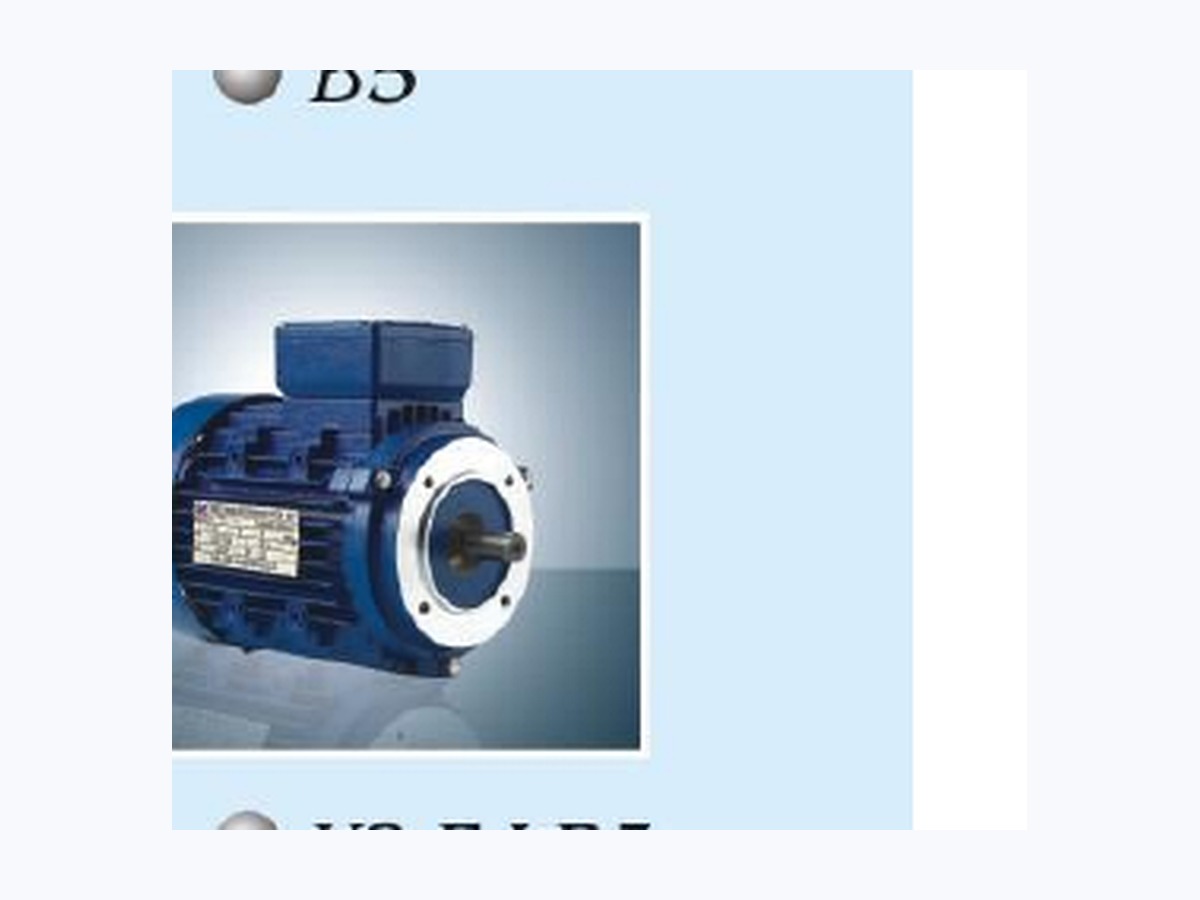
EP-Y2EJ Electromagnetic Brake Motors
Ip54 electromagnetic brake three-phase asynchronous motors for stopping, positioning and anti-coast duties.
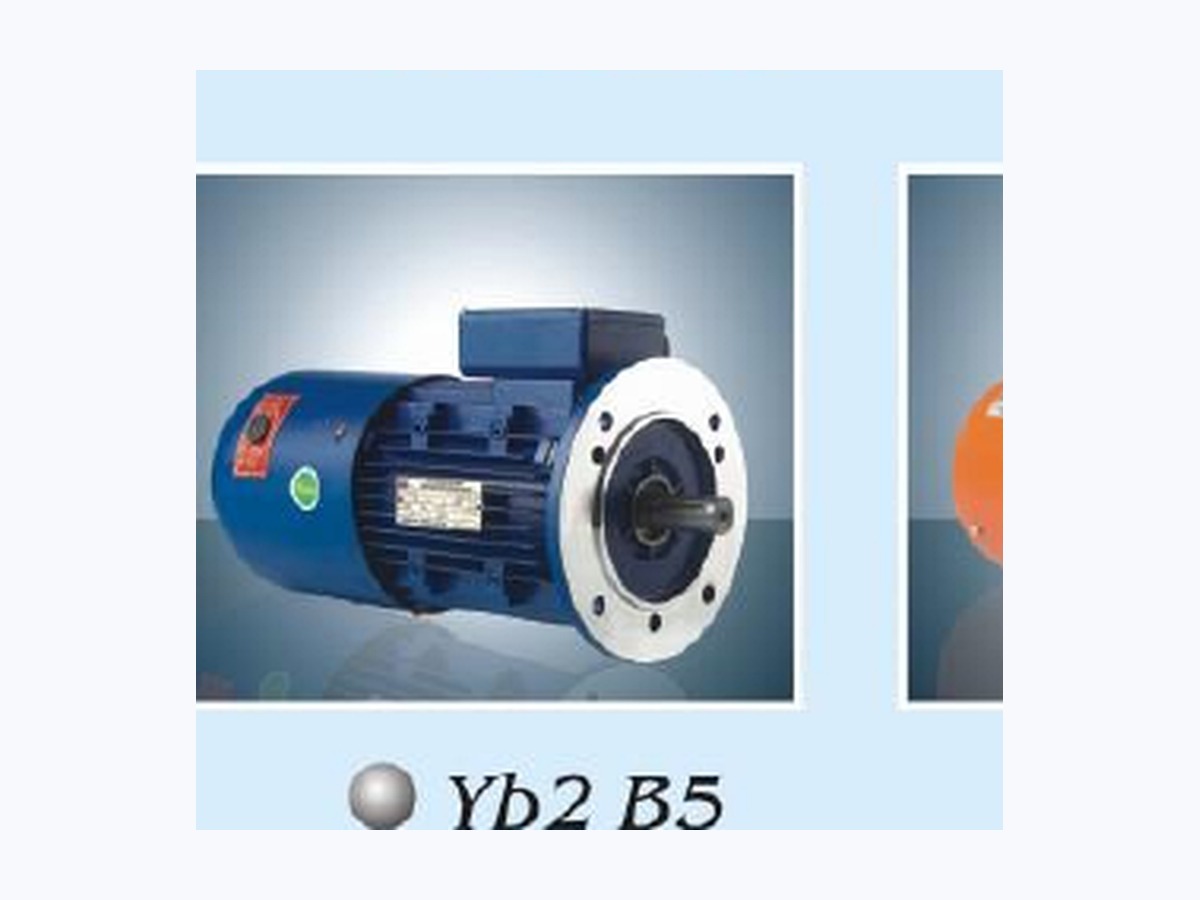
EP-YB2 Explosion-Proof Motors
Explosion-proof three-phase asynchronous motors for appropriately classified industrial machinery.
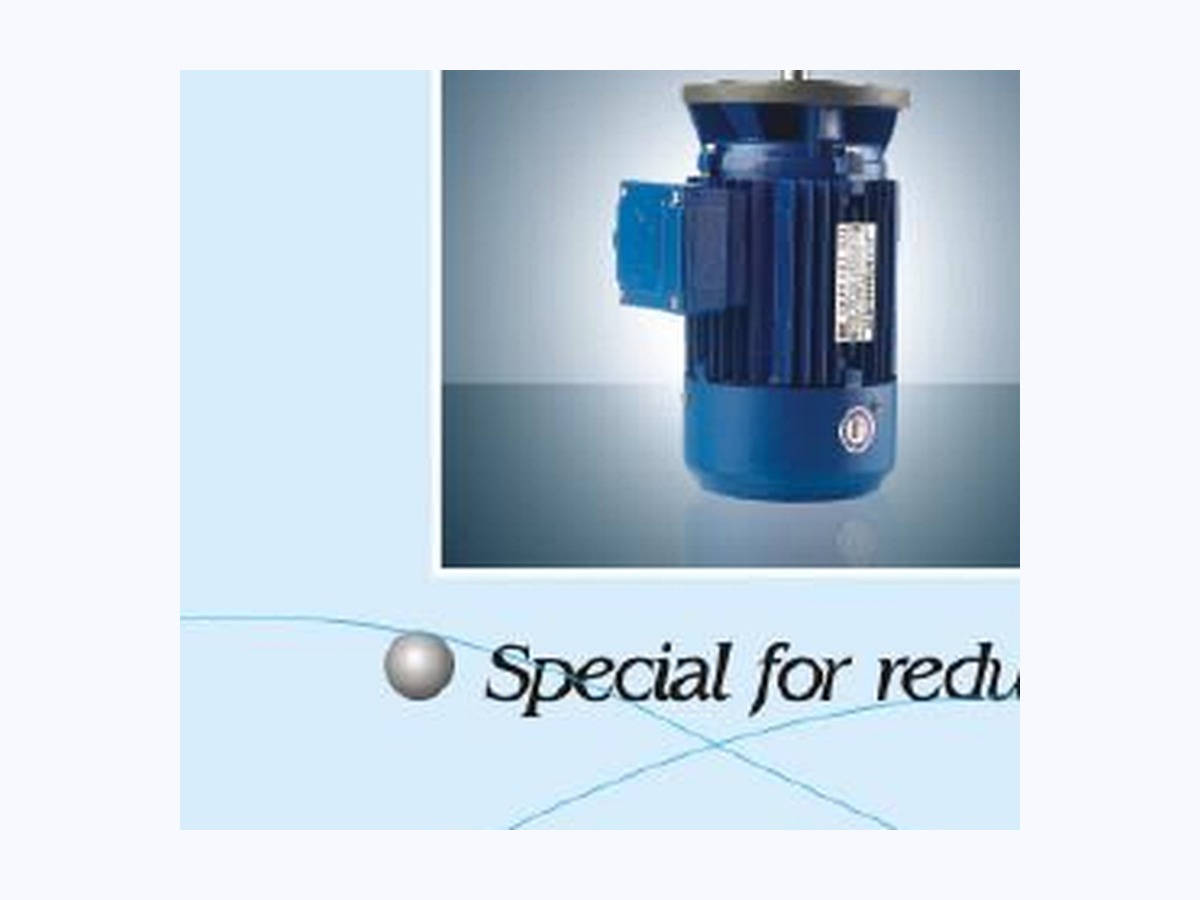
EP Reducer-Dedicated Motors
Motor configurations intended for direct integration with industrial speed reducers.
Transmission Components
Motors are shown with the products they typically need around them: speed reducers and gearboxes, flexible couplings, chains and sprockets, pulleys, gears, shafts and related accessories. These are the mechanical interfaces that decide whether motor speed and torque reach the driven machine correctly.
A conveyor may combine a brake or VFD motor with a helical gearbox, output shaft, sprockets and roller chain. A mixer may use a motor, gearbox and coupling. A fan may use a pulley and belt. A drive package should be described from machine output backward to the motor so every interface has a reason to be there.
Technical Evidence
Selected product entries use values from the supplied technical catalog and present them in responsive tables. Family operating conditions are applied only where the catalog states them for that family. Missing ratings are not replaced with approximate numbers.
For special mounting, reducer interfaces or export-market requirements, use the RFQ to identify controlled dimensions and documents. This keeps an open engineering item visible instead of hiding it inside an assumed specification.
Buyer Review
Products is written for a buyer who needs a usable machine component rather than a generic web description. The review should connect electrical rating to the mechanical transmission, the destination market and the actual installation. That means the RFQ should identify what the motor drives, how the output speed is produced, what interfaces are fixed and which parts can still be optimized.
For gearbox-driven machinery, define the output shaft requirement before fixing the motor and reducer. For chain-driven equipment, add sprocket and chain information. For belt drives, include pulley geometry and guard space. For direct coupling, preserve shaft and alignment details. This approach gives the quotation a clear engineering boundary and makes later installation checks much easier.
Export projects need one more line on the data sheet: destination country. Efficiency and conformity frameworks differ between the United States, European Union, Japan, Brazil, Mexico and other industrial markets. The destination is therefore treated as a design input, not a shipping detail added after the machine has already been specified.
Project Handover
When the project moves from purchasing to installation, keep the accepted model, technical table, drawing and transmission interfaces together. Commissioning should confirm rotation, current, temperature, alignment, coupling or belt condition and any gearbox requirements. A short baseline record gives maintenance teams something real to compare with when noise, vibration or temperature changes later.
Where a parameter is not documented in the source material, this site leaves it for engineering confirmation. The same principle applies to certification and regional compliance. A precise open question is safer than a polished assumption, particularly in hazardous locations, unusual ambient conditions or installations with braking and variable speed.
Product Comparison
Compare product families from the machine requirement outward. Fix the required output speed and torque, then decide whether the job needs fixed speed, a VFD, discrete multi-speed operation, braking or hazardous-area construction. Only after that should frame and mounting be used to narrow the exact variant. This sequence prevents a familiar mistake: choosing a motor that fits physically but does not behave correctly in the process.
When several variants can do the job, compare the whole installed drive. A lower motor speed may change the gearbox ratio; a brake may change overall length; an independent fan changes wiring and clearance; a chain or belt stage changes radial load. The best product choice is the one that produces a coherent machine, not the one with the shortest line in a catalog.
Discuss Your Drive Requirement
Send the motor rating, supply, mounting arrangement, driven-machine duty and target output speed. Our team can review the motor together with the gearbox and the rest of the transmission train.