Evidence-First Specification
Quality
Documented motor data, controlled interfaces and project-specific verification.
Documented Data
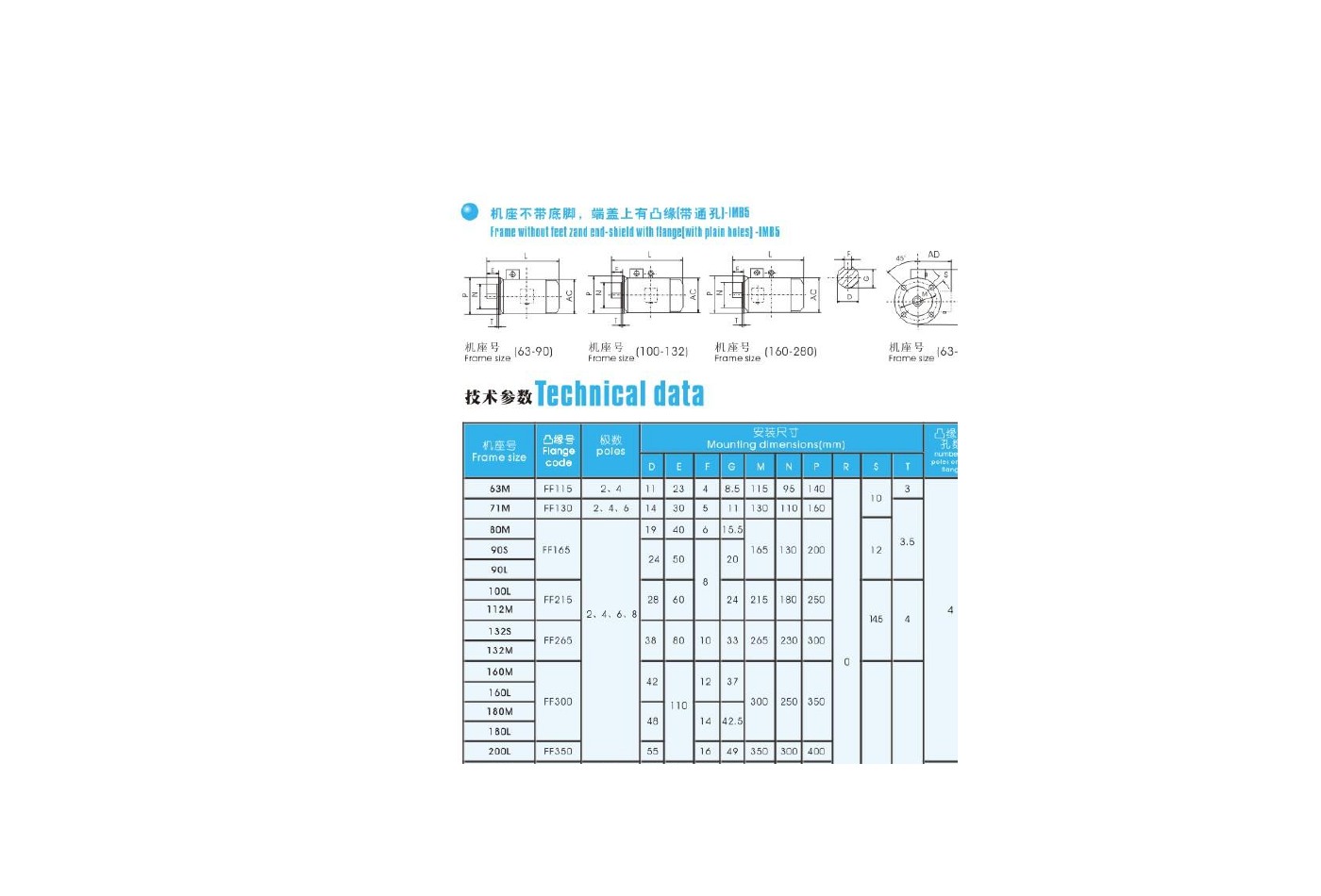
Product pages use technical values from the supplied motor catalog where an exact selected row can be identified. Missing current, efficiency, vibration, braking or dimensional values are not filled with generic numbers. A plausible-looking number can create more risk than a visible engineering question.
Series photographs are used as representative product imagery. They help buyers recognize construction and mounting style, but they are not a substitute for an approved drawing of a configured variant. AI-generated material is limited to visualization and is not used as product geometry or certification evidence.
Transmission Interfaces
Quality in a drive package includes the interfaces between motor, gearbox, coupling, chain, sprocket, pulley and shaft. Bore, key, alignment, ratio and mounting are checked because a good component can fail in a poor assembly. Replacement projects receive extra attention to existing dimensions.
For export orders, target market is part of the specification. Efficiency and conformity rules differ by country, so a product is not described as universally compliant based on a series name. Required marks, tests and documentation should be stated in the RFQ.
Inspection Mindset
A practical inspection plan looks at identity, dimensions, electrical rating, rotation, workmanship and project-specific features. For drive packages, the gearbox and connection parts must also match the accepted interface. The goal is traceable agreement between the RFQ, drawing and delivered configuration.
Commissioning data creates the next quality layer. Recording current, noise, vibration and temperature at a known load gives maintenance teams a baseline for later condition changes.
Buyer Review
Quality is written for a buyer who needs a usable machine component rather than a generic web description. The review should connect electrical rating to the mechanical transmission, the destination market and the actual installation. That means the RFQ should identify what the motor drives, how the output speed is produced, what interfaces are fixed and which parts can still be optimized.
For gearbox-driven machinery, define the output shaft requirement before fixing the motor and reducer. For chain-driven equipment, add sprocket and chain information. For belt drives, include pulley geometry and guard space. For direct coupling, preserve shaft and alignment details. This approach gives the quotation a clear engineering boundary and makes later installation checks much easier.
Export projects need one more line on the data sheet: destination country. Efficiency and conformity frameworks differ between the United States, European Union, Japan, Brazil, Mexico and other industrial markets. The destination is therefore treated as a design input, not a shipping detail added after the machine has already been specified.
Project Handover
When the project moves from purchasing to installation, keep the accepted model, technical table, drawing and transmission interfaces together. Commissioning should confirm rotation, current, temperature, alignment, coupling or belt condition and any gearbox requirements. A short baseline record gives maintenance teams something real to compare with when noise, vibration or temperature changes later.
Where a parameter is not documented in the source material, this site leaves it for engineering confirmation. The same principle applies to certification and regional compliance. A precise open question is safer than a polished assumption, particularly in hazardous locations, unusual ambient conditions or installations with braking and variable speed.
Verification Workflow
Quality begins before inspection. The RFQ, drawing and product record should agree on model, electrical operating point, mounting and the interfaces to the gearbox or driven machine. When a value is project-specific, it stays open until confirmed. That is safer than allowing a generic number to pass silently into a drawing and then become treated as a requirement.
After assembly, inspection should look at the drive as a system. Alignment, shaft engagement, guards, cable entry, brake or fan clearance and gearbox orientation are all part of whether the motor can work reliably. A motor can pass a bench check and still be installed poorly; the verification process has to follow it into the assembled machine.
Discuss Your Drive Requirement
Send the motor rating, supply, mounting arrangement, driven-machine duty and target output speed. Our team can review the motor together with the gearbox and the rest of the transmission train.