Industrial Application
Chemical Processing
Motor and transmission engineering for mixers, pumps, fans, transfer systems and dosing equipment, with attention to area classification, corrosion strategy, speed control and reliability.
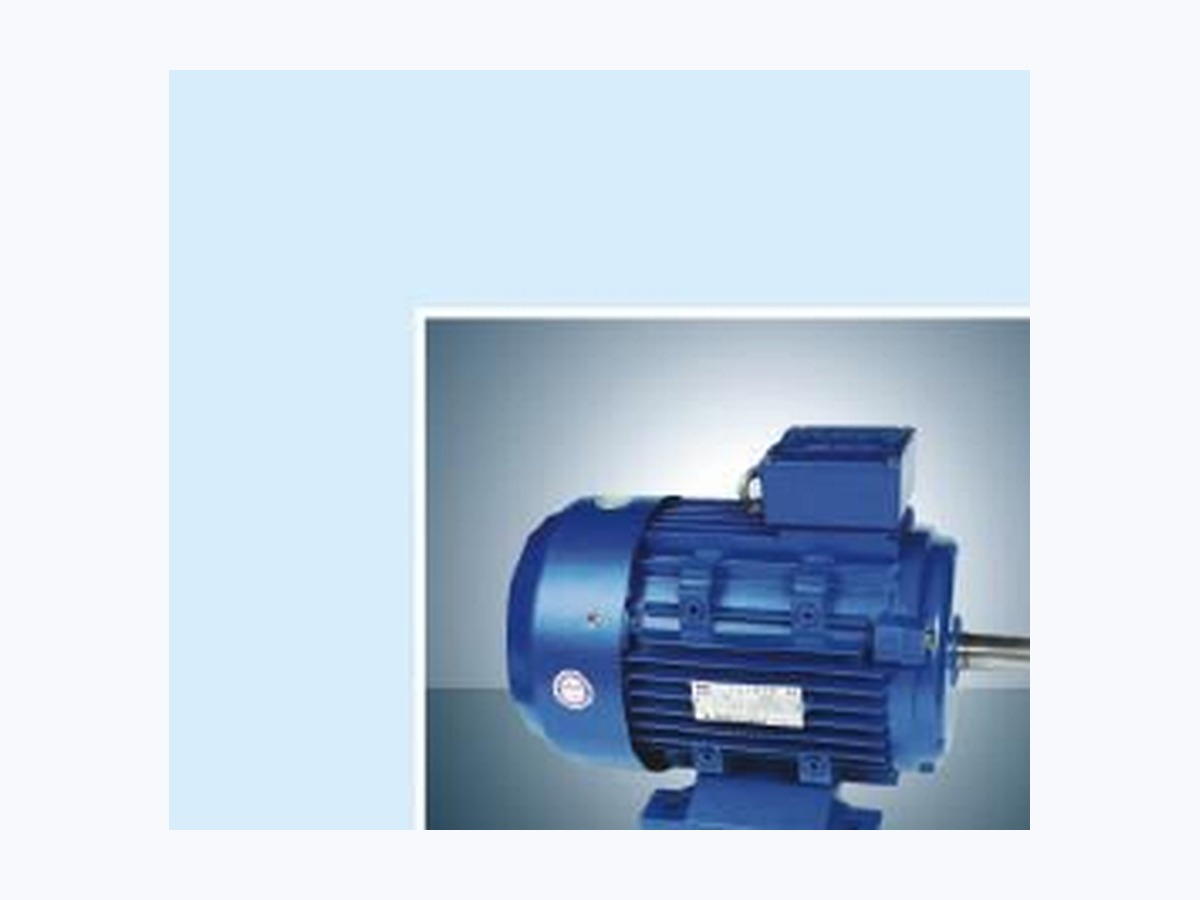
Application Duty
Chemical Processing place the motor inside a complete mechanical process. In mixers, pumps, fans, transfer systems and dosing equipment, selection should reflect area classification, corrosion strategy, speed control and reliability. The same kilowatt rating can behave differently when acceleration time, load inertia, starts, gearbox ratio or control method changes.
Describe the process before the component: what must move, at what speed, at what running and starting torque, and whether the machine must stop quickly, hold position or run continuously at low speed. These questions narrow the correct motor family faster than a product list.
Motor Selection
The strongest candidates are EP-Y2 Three-Phase Asynchronous Motors, EP-YVF2 Variable-Frequency Motors, EP-YB2 Explosion-Proof Motors. General-purpose duty favors a fixed-speed configuration. Variable-speed processes may justify EP-YVF2 independent ventilation. Brake motors add stopping and holding. Multi-speed motors provide discrete speed steps.
Electrical selection must match the destination supply and market. Mechanical selection verifies shaft, flange or foot mounting, available space and the load seen by motor bearings. For replacements, keeping the same power while changing frame or mounting can create unexpected installation work.
Transmission Package
Typical paired components include gearboxes, couplings, VFDs and project-appropriate system components. For a gearbox-driven machine, start with required output speed and torque, translate that to motor speed and ratio, then confirm input interface, output shaft, orientation and duty. Chain or belt stages add sprocket or pulley geometry and guard space.
Treating the motor and gearbox separately can hide an unsuitable ratio, excessive overhung load, incompatible shaft height or a control strategy that forces the motor to run too slowly without adequate cooling. The RFQ should describe the complete torque path.
Control Strategy
For chemical processing, speed control should follow the process. A VFD can soften starts and regulate output, but continuous low-speed duty and cooling must be checked. A brake motor should not be substituted for a machine safety function unless the complete safety design explicitly supports that role.
Where the process runs at one stable point, a fixed-speed motor and correctly selected gearbox may be simpler. Where demand changes through the shift, electronic speed control can reduce mechanical adjustment. The correct choice comes from the machine duty, not from a universal preference.
Installation Review
Base rigidity, alignment and driven-machine condition directly affect vibration and bearing temperature. Before commissioning, verify shaft alignment, coupling or belt setup, ventilation clearance and rotation direction. Keep cable routing and maintenance access clear.
After startup, record current, temperature and vibration at a known load. If vibration rises later, check alignment, balance, bearings, foundation and driven equipment before assuming an electrical fault. If temperature rises, review load, voltage, phase condition and cooling.
Suggested Motor Families
EP-Y2-80M1-4
0.55 kW option with a documented reference speed of 1380 r/min.
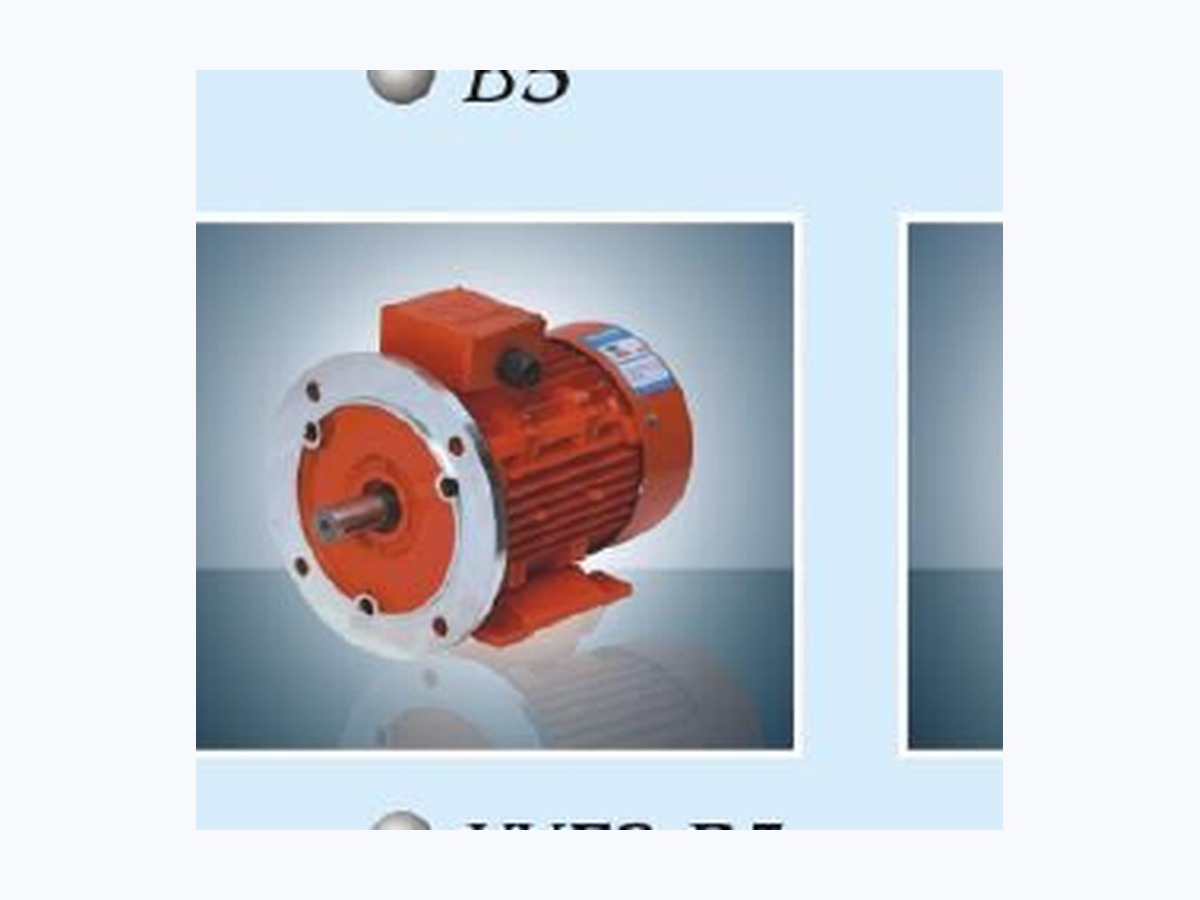
EP-YVF2-80M1-4
0.55 kW option with a documented reference speed of Variable speed; 50 Hz base.
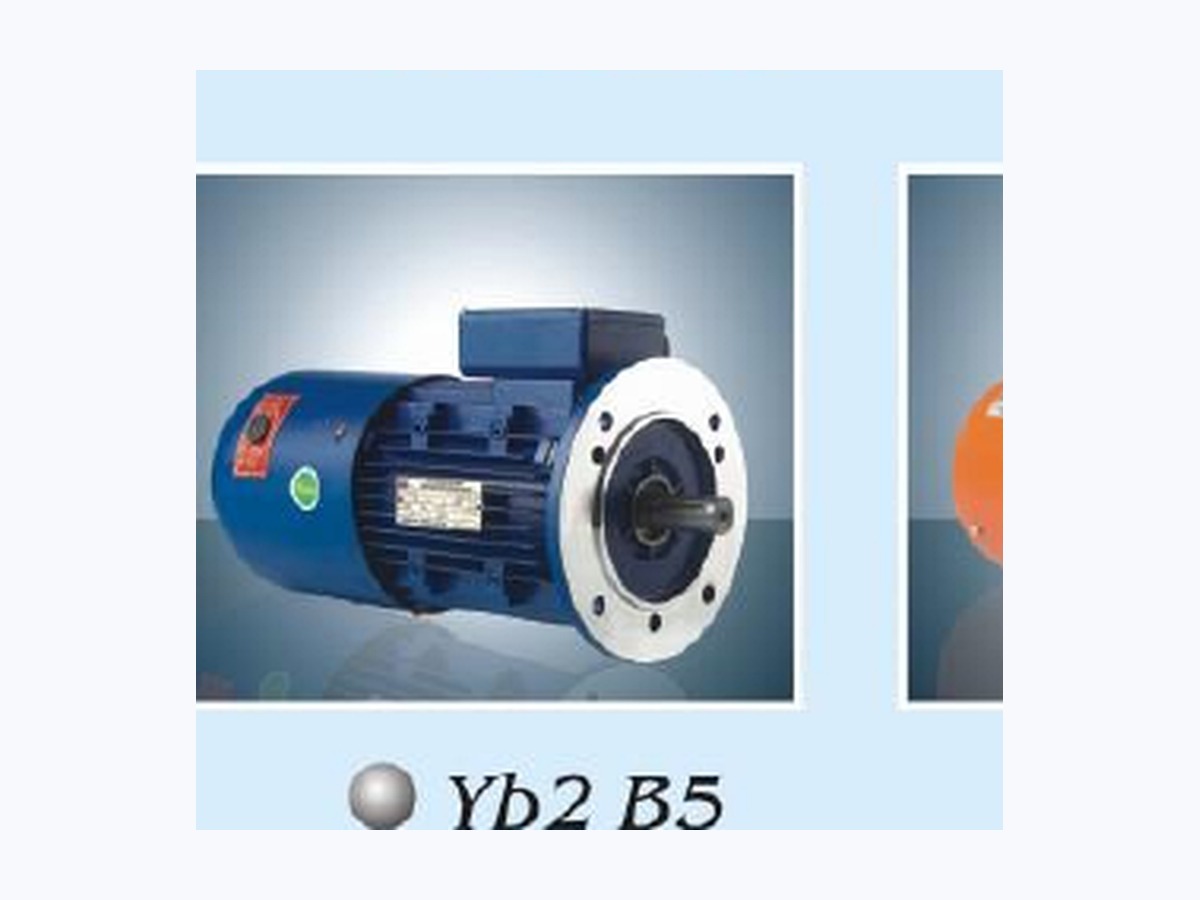
EP-YB2-80M1-6
0.37 kW option with a documented reference speed of 885 r/min.
Application Data Sheet
| Input | What To Record |
|---|---|
| Output Speed | Normal, minimum and maximum if variable. |
| Torque / Load | Running load plus starting or peak condition. |
| Duty | Operating hours, starts, stops and reversals. |
| Mechanical Interface | Shaft, flange, foot, gearbox and coupling details. |
| Environment | Ambient temperature, altitude, dust, moisture or hazardous classification. |
Matched Products
Beyond the motor, Ever-Power’s transmission scope allows gearboxes, couplings, VFDs and project-appropriate system components to be reviewed in the same package. Conveyor systems may need chains and sprockets; reduced-speed machines usually need a gearbox and coupling; belt drives add pulleys and shaft accessories.
Each component is still checked against bore, key, torque, speed, mounting and environment. This matters most in older replacement machinery where existing dimensions may not follow current preferred arrangements.
Frequently Asked Questions
Which motor is best for chemical processing?
The strongest candidates are EP-Y2 Three-Phase Asynchronous Motors, EP-YVF2 Variable-Frequency Motors, EP-YB2 Explosion-Proof Motors. Final choice depends on load, speed, control and stopping needs.
Do I need a gearbox?
Use a gearbox when the machine needs substantially lower speed and higher shaft torque than direct motor drive provides.
When should I use a VFD motor?
When controlled acceleration or a meaningful speed range benefits the process, with cooling checked at the minimum continuous speed.
What causes installation vibration?
Common mechanical causes include misalignment, imbalance, foundation movement, coupling problems, belt issues and bearing condition.
Can chain and sprocket parts be included?
Yes. Sprockets, roller chain and shaft interfaces can be reviewed with the motor and gearbox.
Design A Chemical Processing Drive
Send the motor rating, supply, mounting arrangement, driven-machine duty and target output speed. Our team can review the motor together with the gearbox and the rest of the transmission train.