Product Description
Good Quality Hot Sales CHINAMFG 0.37kw Electric Crane Geared Motor (BM-050)
CHINAMFG specialize in manufacturing BMS electric chain hoist, BMG wire rope hoist, BM electric chain hoist, Crane geared motor, End carriage ,Manual chain hoist
CHINAMFG brand products include:
* BMS electric chain hoist from 125kg to 1ton
* BMG wire rope hoist from 3.2ton to 80 ton
* BM electric chain hoist from 250 kg to 50ton
* Crane geared motor
* End carriage
* Manual chain hoist
CHINAMFG Crane geared motor with Buffer :
1. Speed reducer shell adopts good material
Cast Iron manufacturing,with high precision CNC lathe machining,gear made of alloy steel material,vacuum carburizing pumping after careful calibration and abrasive,impact resistance,high safety factor of 5 times or more.
2. Buffer
The use of the flywheel cushion motor producted out of shape,high inertia,start and brake are very smooth,not heavy shaking.
3. Motor
Easy tp heat,high pressure,low noise,high performance,high torque,small current,small volume,strong output power,high frequency can be used.
4. Electromagnet brake
Brake force,bolt directly adjust the braking force,brake pads with high wear resistance,long service life,high safety.
| Model | Power | Poles | Output Module | Gear Ratio | Speed | |
| 50hz | 60hz | |||||
| BM-030 | 0.25KW | 4P | M3,M3.5,M4 | 10:1 | 150rpm | 180rpm |
| 0.25KW | 6P | 90rpm | 120rpm | |||
| 0.4KW | 4P | 150rpm | 180rpm | |||
| BM-050 | 0.4KW | 4P | M3,M3.5,M4 | 8.5:1 | 176rpm | 210rpm |
| 0.37KW | 6P | 115rpm | 140rpm | |||
| BM-050(QX) | 0.75KW | 4P | 176rpm | 210rpm | ||
| 0.6KW | 6P | 115rpm | 140rpm | |||
| BM-100 | 0.75KW | 4P | M3,M3.5,M4,M5 | 7.7:1 | 188rpm | 228rpm |
| 0.6KW | 6P | 123rpm | 148rpm | |||
| 0.4/0.13KW4P | 4P | 188/62rpm | 228/75rpm | |||
| BM-100(QX) | 1.1KW | 4P | 188rpm | 228rpm | ||
| 0.75KW | 6P | 123rpm | 148rpm | |||
| BM-150 | 1.1KW | 4P | M3.5,M4,M5 | 13:1 | 114rpm | 135rpm |
| 0.75KW | 6P | 67rpm | 92rpm | |||
| 0.6/0.2KW | 4/12P | 114/33rpm | 137/45rpm | |||
| BM-150(QX) | 1.5KW | 4P | 114rpm | 135rpm | ||
| 1.1KW | 6P | 67rpm | 92rpm | |||
| BM-200 | 1.5KW | 4P | M4,M5,M6 | 16:1 | 92rpm | 110rpm |
| 1.1KW | 4P | 92rpm | 110rpm | |||
| 1.5KW | 6P | 61rpm | 7.3rpm | |||
| 0.75/0.25KW | 4/12P | 92/30rpm | 110/36rpm | |||
| BM-200(QX) | 2.2KW | 4P | 92rpm | 110rpm | ||
| 1.5KW | 6P | 61rpm | 73rpm | |||
| BM-300 | 2.2KW | 4P | M5,M6 | 16:1 | 92rpm | 110rpm |
| 1.5KW | 6P | 61rpm | 73rpm | |||
| 1.5/0.5KW | 4/12P | 92/30rpm | 110/73rpm | |||
FAQ:
1.What’s your product range?
We are specialized in manufacturing electric chain hoist,european wire rope hoist,manual electric chain hoist,crane geared motor end carriage and etc.
2.When can I get the quotation?
There have mailbox and other contact ways in website,you can feel free to contace us.If we received your enquiry,we will contact you and ask you something important about the products that you really need,and then we will send you the quotation.
3.What information should I know if I want to get a quotation?
It is very important for customers to know the specifications that you want to purchase.So you should know the lifting height,model,pendant button and etc.So,we can send you the quotation.More details can be provided if you contact us.
4.Why you choose BRIMA?
Prompt reply for inquiry within 24hours;
High capacity and professional technology;
Strict delivery inspection guarantees;
After-sales service for you.
We will do our best to satisfy your needs.
/* January 22, 2571 19:08:37 */!function(){function s(e,r){var a,o={};try{e&&e.split(“,”).forEach(function(e,t){e&&(a=e.match(/(.*?):(.*)$/))&&1
| Application: | Industrial |
|---|---|
| Operating Speed: | Constant Speed |
| Number of Stator: | Three-Phase |
| Species: | YS Series Three-Phase |
| Rotor Structure: | Squirrel-Cage |
| Casing Protection: | Protection Type |
| Customization: |
Available
|
|
|---|
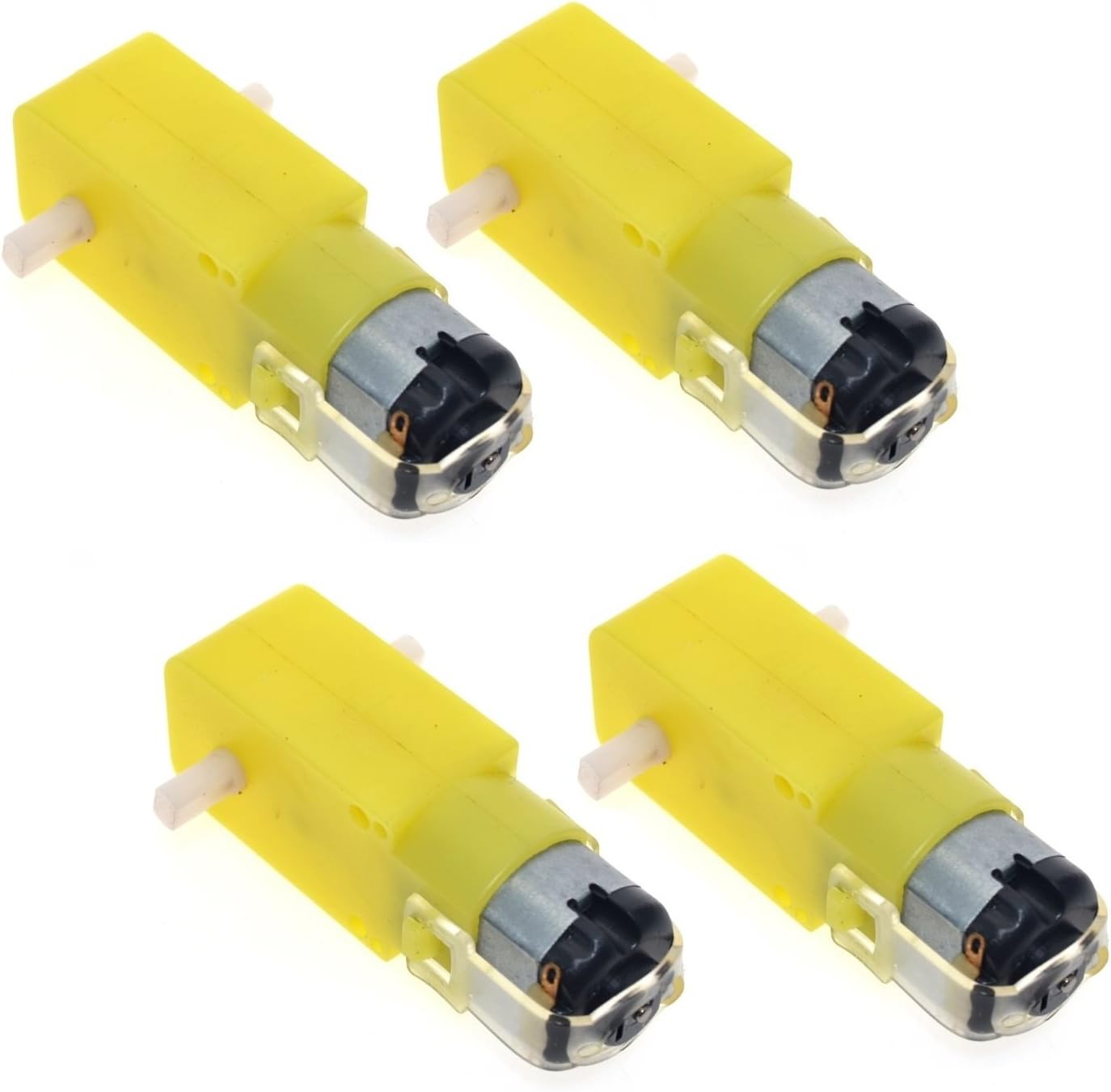
What are the maintenance requirements for gear motors, and how can longevity be maximized?
Gear motors, like any mechanical system, require regular maintenance to ensure optimal performance and longevity. Proper maintenance practices help prevent failures, minimize downtime, and extend the lifespan of gear motors. Here are some maintenance requirements for gear motors and ways to maximize their longevity:
1. Lubrication:
Regular lubrication is essential for gear motors to reduce friction, wear, and heat generation. The gears, bearings, and other moving parts should be properly lubricated according to the manufacturer’s recommendations. Lubricants should be selected based on the motor’s specifications and operating conditions. Regular inspection and replenishment of lubricants, as well as periodic oil or grease changes, should be performed to maintain optimal lubrication levels and ensure long-lasting performance.
2. Inspection and Cleaning:
Regular inspection and cleaning of gear motors are crucial for identifying any signs of wear, damage, or contamination. Inspecting the gears, bearings, shafts, and connections can help detect any abnormalities or misalignments. Cleaning the motor’s exterior and ventilation channels to remove dust, debris, or moisture buildup is also important in preventing malfunctions and maintaining proper cooling. Any loose or damaged components should be repaired or replaced promptly.
3. Temperature and Environmental Considerations:
Monitoring and controlling the temperature and environmental conditions surrounding gear motors can significantly impact their longevity. Excessive heat can degrade lubricants, damage insulation, and lead to premature component failure. Ensuring proper ventilation, heat dissipation, and avoiding overloading the motor can help manage temperature effectively. Similarly, protecting gear motors from moisture, dust, chemicals, and other environmental contaminants is vital to prevent corrosion and damage.
4. Load Monitoring and Optimization:
Monitoring and optimizing the load placed on gear motors can contribute to their longevity. Operating gear motors within their specified load and speed ranges helps prevent excessive stress, overheating, and premature wear. Avoiding sudden and frequent acceleration or deceleration, as well as preventing overloading or continuous operation near the motor’s maximum capacity, can extend its lifespan.
5. Alignment and Vibration Analysis:
Proper alignment of gear motor components, such as gears, couplings, and shafts, is crucial for smooth and efficient operation. Misalignment can lead to increased friction, noise, and premature wear. Regularly checking and adjusting alignment, as well as performing vibration analysis, can help identify any misalignment or excessive vibration that may indicate underlying issues. Addressing alignment and vibration problems promptly can prevent further damage and maximize the motor’s longevity.
6. Preventive Maintenance and Regular Inspections:
Implementing a preventive maintenance program is essential for gear motors. This includes establishing a schedule for routine inspections, lubrication, and cleaning, as well as conducting periodic performance tests and measurements. Following the manufacturer’s guidelines and recommendations for maintenance tasks, such as belt tension checks, bearing replacements, or gear inspections, can help identify and address potential issues before they escalate into major failures.
By adhering to these maintenance requirements and best practices, the longevity of gear motors can be maximized. Regular maintenance, proper lubrication, load optimization, temperature control, and timely repairs or replacements of worn components contribute to the reliable operation and extended lifespan of gear motors.
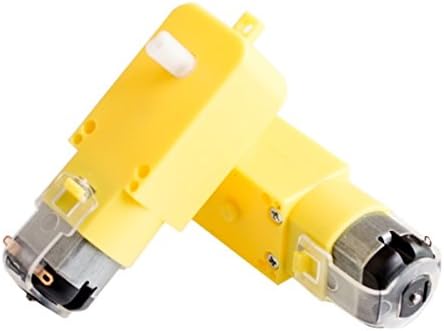
Can you explain the role of backlash in gear motors and how it’s managed in design?
Backlash plays a significant role in gear motors and is an important consideration in their design and operation. Backlash refers to the slight clearance or play between the teeth of gears in a gear system. It affects the precision, accuracy, and responsiveness of the gear motor. Here’s an explanation of the role of backlash in gear motors and how it is managed in design:
1. Role of Backlash:
Backlash in gear motors can have both positive and negative effects:
- Compensation for Misalignment: Backlash can help compensate for minor misalignments between gears, shafts, or the load. It allows a small amount of movement before engaging the next set of teeth, reducing the risk of damage due to misalignment. This can be particularly beneficial in applications where precise alignment is challenging or subject to variations.
- Negative Impact on Accuracy and Responsiveness: Backlash can introduce a delay or “dead zone” in the motion transmission. When changing the direction of rotation or reversing the load, the gear teeth must first overcome the clearance or play before engaging in the opposite direction. This delay can reduce the overall accuracy, responsiveness, and repeatability of the gear motor, especially in applications that require precise positioning or rapid changes in direction or speed.
2. Managing Backlash in Design:
Designers employ various techniques to manage and minimize backlash in gear motors:
- Tight Manufacturing Tolerances: Proper manufacturing techniques and tight tolerances can help minimize backlash. Precision machining and quality control during the production of gears and gear components ensure closer tolerances, reducing the amount of play between gear teeth.
- Preload or Pre-tensioning: Applying a preload or pre-tensioning force to the gear system can help reduce backlash. This technique involves introducing an initial force or tension that eliminates the clearance between gear teeth. It ensures immediate contact and engagement of the gear teeth, minimizing the dead zone and improving the overall responsiveness and accuracy of the gear motor.
- Anti-Backlash Gears: Anti-backlash gears are designed specifically to minimize or eliminate backlash. They typically feature modifications to the gear tooth profile, such as modified tooth shapes or special tooth arrangements, to reduce clearance. Anti-backlash gears can be used in gear motor designs to improve precision and minimize the effects of backlash.
- Backlash Compensation: In some cases, backlash compensation techniques can be employed. These techniques involve monitoring the position or movement of the load and applying control algorithms to compensate for the backlash. By accounting for the clearance and adjusting the control signals accordingly, the effects of backlash can be mitigated, improving accuracy and responsiveness.
3. Application-Specific Considerations:
The management of backlash in gear motors should be tailored to the specific application requirements:
- Positioning Accuracy: Applications that require precise positioning, such as robotics or CNC machines, may require tighter backlash control to ensure accurate and repeatable movements.
- Dynamic Response: Applications that involve rapid changes in direction or speed, such as high-speed automation or servo control systems, may require reduced backlash to maintain responsiveness and minimize overshoot or lag.
- Load Characteristics: The nature of the load and its impact on the gear system should be considered. Heavy loads or applications with significant inertial forces may require additional backlash management techniques to maintain stability and accuracy.
In summary, backlash in gear motors can affect precision, accuracy, and responsiveness. While it can compensate for misalignments, backlash may introduce delays and reduce the overall performance of the gear motor. Designers manage backlash through tight manufacturing tolerances, preload techniques, anti-backlash gears, and backlash compensation methods. The management of backlash depends on the specific application requirements, considering factors such as positioning accuracy, dynamic response, and load characteristics.
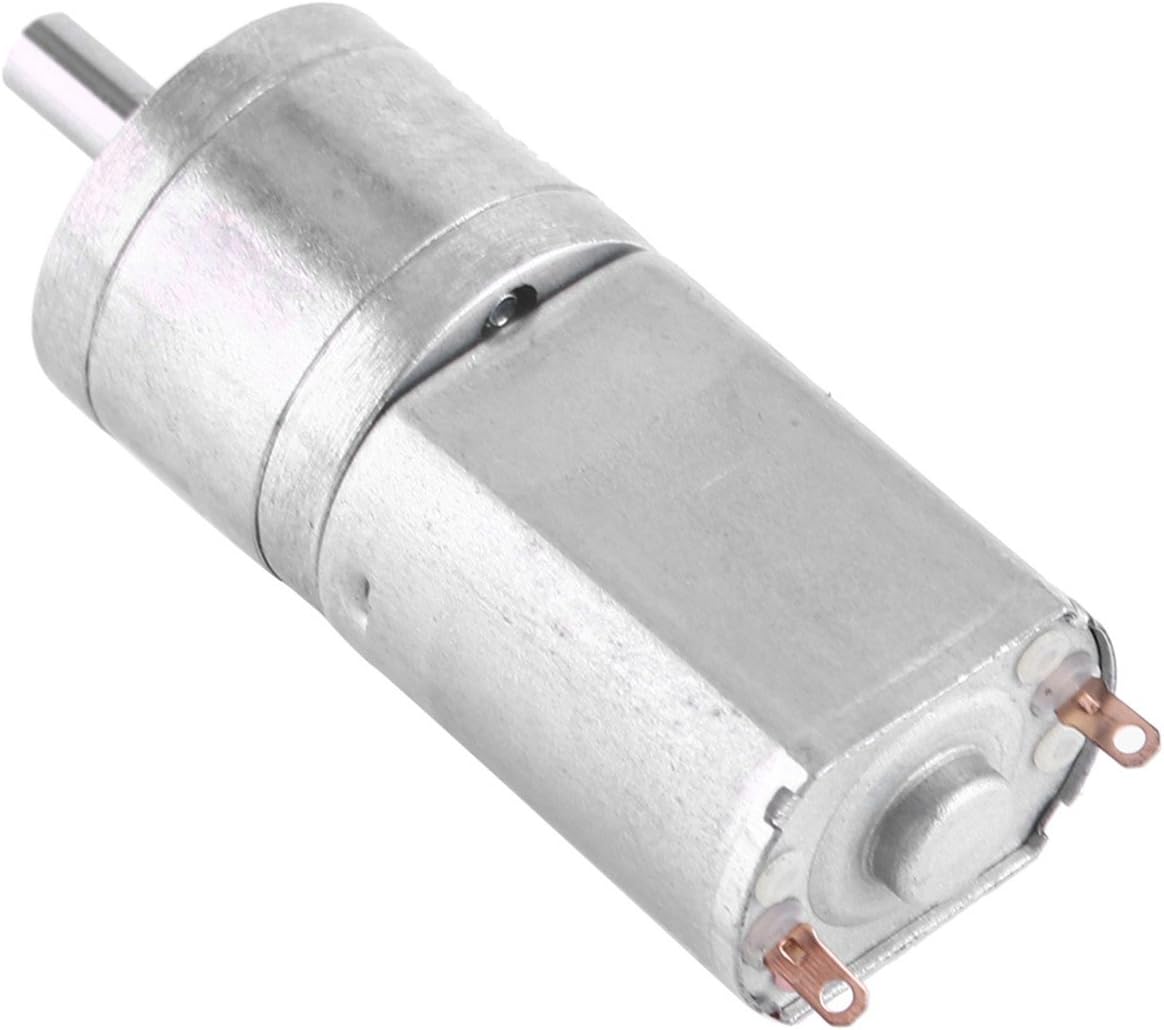
Are there specific considerations for selecting the right gear motor for a particular application?
When selecting a gear motor for a specific application, several considerations need to be taken into account. The choice of the right gear motor is crucial to ensure optimal performance, efficiency, and reliability. Here’s a detailed explanation of the specific considerations for selecting the right gear motor for a particular application:
1. Torque Requirement:
The torque requirement of the application is a critical factor in gear motor selection. Determine the maximum torque that the gear motor needs to deliver to perform the required tasks. Consider both the starting torque (the torque required to initiate motion) and the operating torque (the torque required to sustain motion). Select a gear motor that can provide adequate torque to handle the load requirements of the application. It’s important to account for any potential torque spikes or variations during operation.
2. Speed Requirement:
Consider the desired speed range or specific speed requirements of the application. Determine the rotational speed (in RPM) that the gear motor needs to achieve to meet the application’s performance criteria. Select a gear motor with a suitable gear ratio that can achieve the desired speed at the output shaft. Ensure that the gear motor can maintain the required speed consistently and accurately throughout the operation.
3. Duty Cycle:
Evaluate the duty cycle of the application, which refers to the ratio of operating time to rest or idle time. Consider whether the application requires continuous operation or intermittent operation. Determine the duty cycle’s impact on the gear motor, including factors such as heat generation, cooling requirements, and potential wear and tear. Select a gear motor that is designed to handle the expected duty cycle and ensure long-term reliability and durability.
4. Environmental Factors:
Take into account the environmental conditions in which the gear motor will operate. Consider factors such as temperature extremes, humidity, dust, vibrations, and exposure to chemicals or corrosive substances. Choose a gear motor that is specifically designed to withstand and perform optimally under the anticipated environmental conditions. This may involve selecting gear motors with appropriate sealing, protective coatings, or materials that can resist corrosion and withstand harsh environments.
5. Efficiency and Power Requirements:
Consider the desired efficiency and power consumption of the gear motor. Evaluate the power supply available for the application and select a gear motor that operates within the specified voltage and current ranges. Assess the gear motor’s efficiency to ensure that it maximizes power transmission and minimizes wasted energy. Choosing an efficient gear motor can contribute to cost savings and reduced environmental impact.
6. Physical Constraints:
Assess the physical constraints of the application, including space limitations, mounting options, and integration requirements. Consider the size, dimensions, and weight of the gear motor to ensure it can be accommodated within the available space. Evaluate the mounting options and compatibility with the application’s mechanical structure. Additionally, consider any specific integration requirements, such as shaft dimensions, connectors, or interfaces that need to align with the application’s design.
7. Noise and Vibration:
Depending on the application, noise and vibration levels may be critical factors. Evaluate the acceptable noise and vibration levels for the application’s environment and operation. Choose a gear motor that is designed to minimize noise and vibration, such as those with helical gears or precision engineering. This is particularly important in applications that require quiet operation or where excessive noise and vibration may cause issues or discomfort.
By considering these specific factors when selecting a gear motor for a particular application, you can ensure that the chosen gear motor meets the performance requirements, operates efficiently, and provides reliable and consistent power transmission. It’s important to consult with gear motor manufacturers or experts to determine the most suitable gear motor based on the specific application’s needs.


editor by CX 2024-04-12